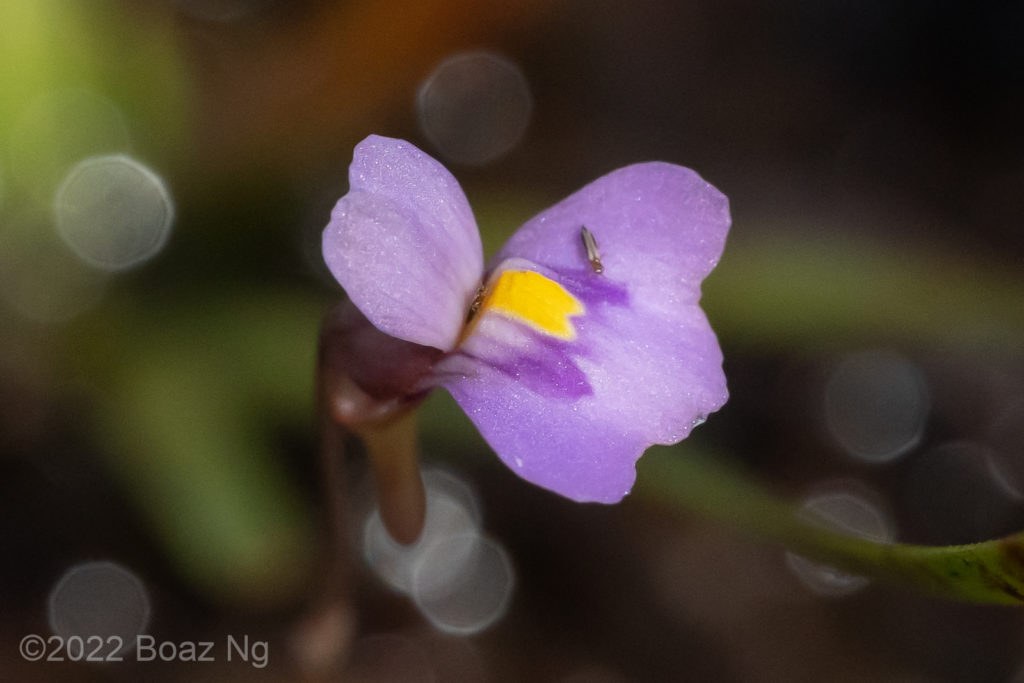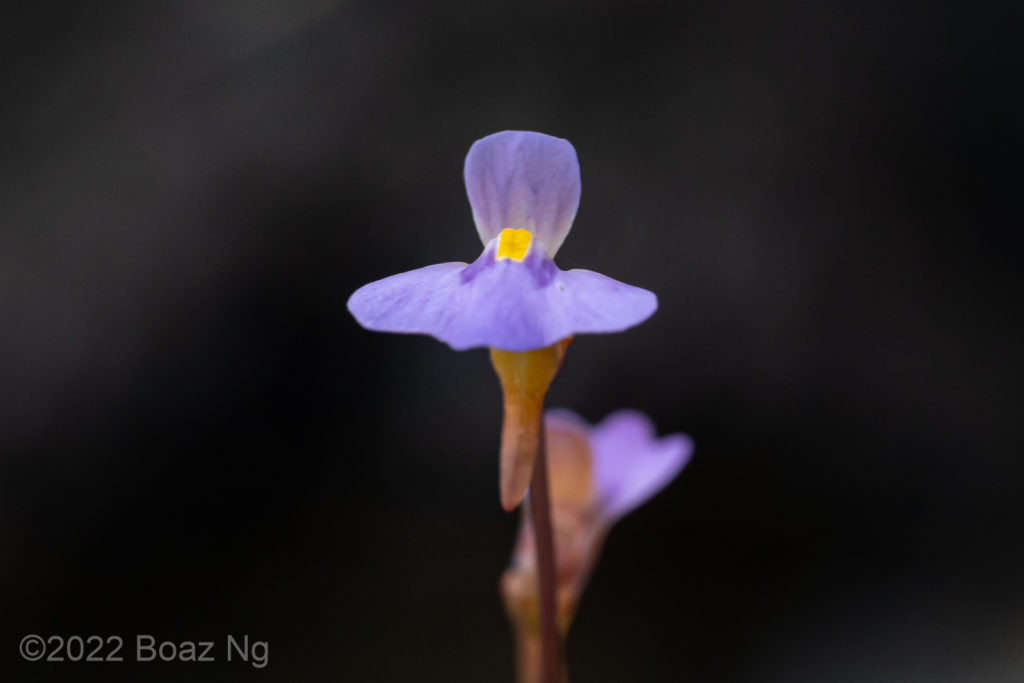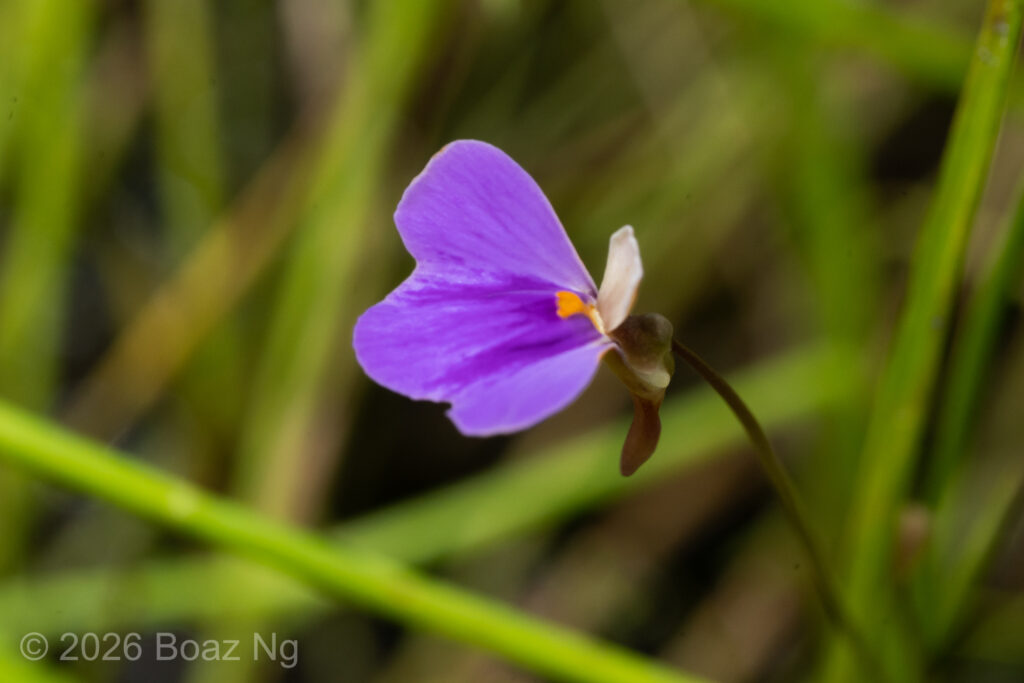
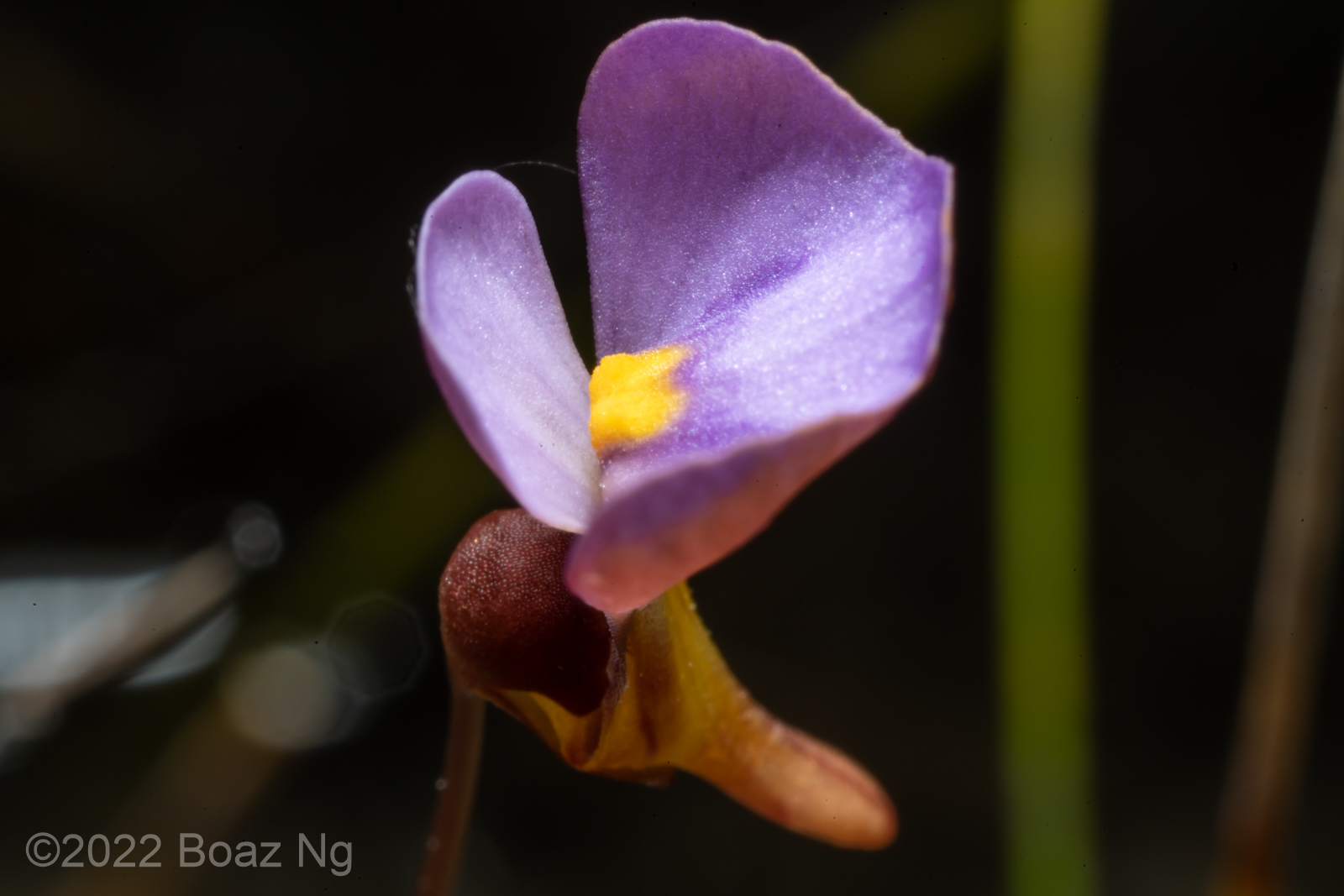
Utricularia brennanii is a terrestrial bladderwort native to tropical and north eastern Australia. It was recently separated from the closely related U. lasiocaulis by Jobson and Baleeiro (2022) and is named in honour of Kym Brennan from the NT herbarium.
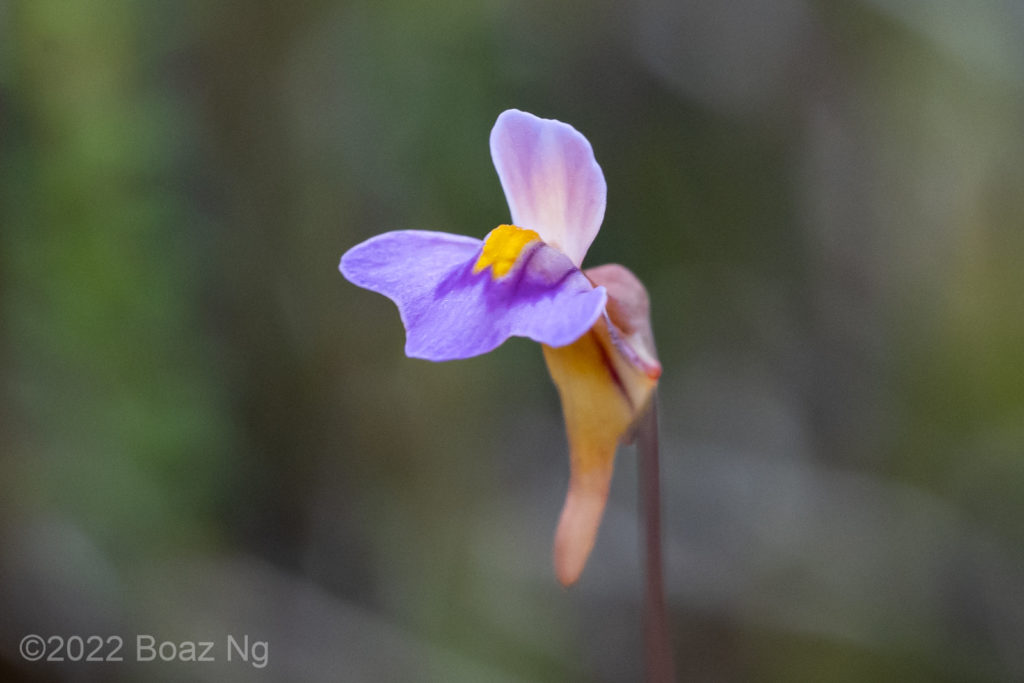
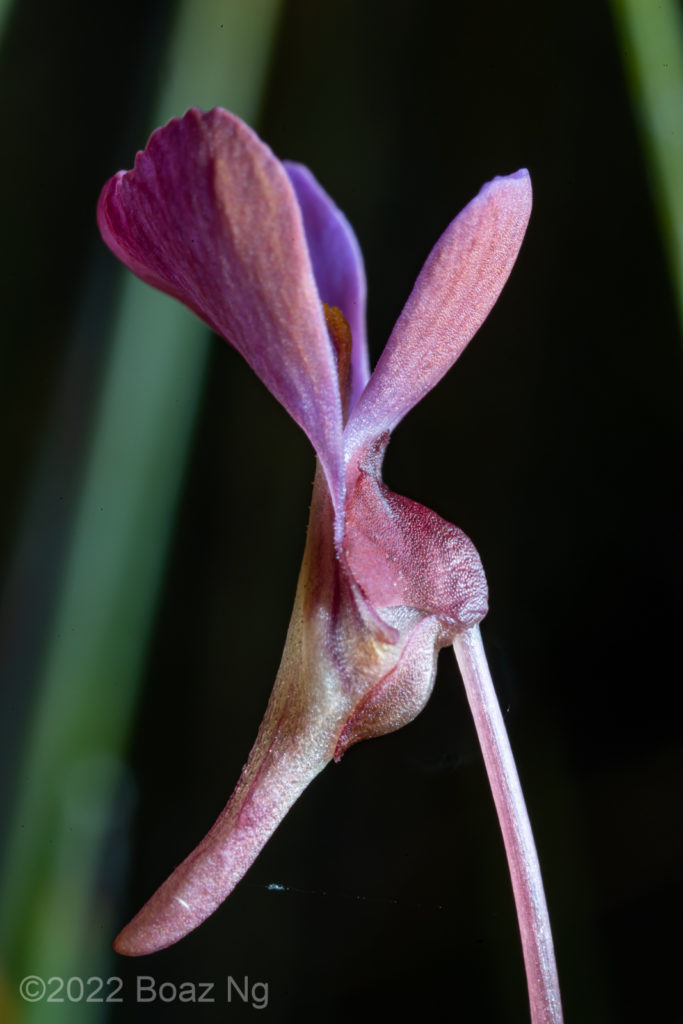
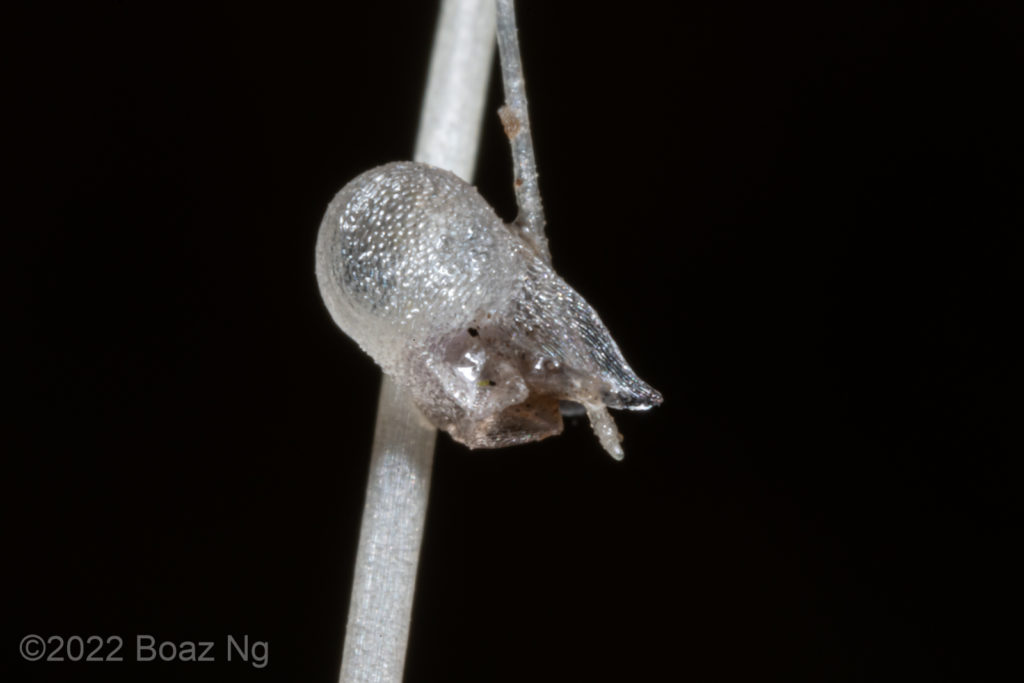
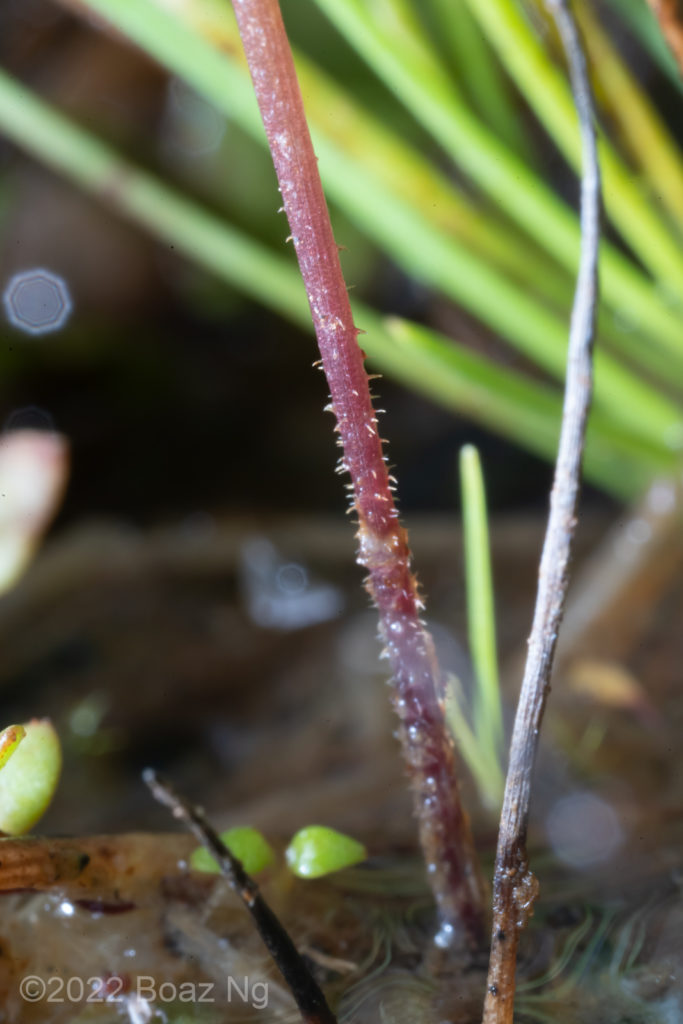
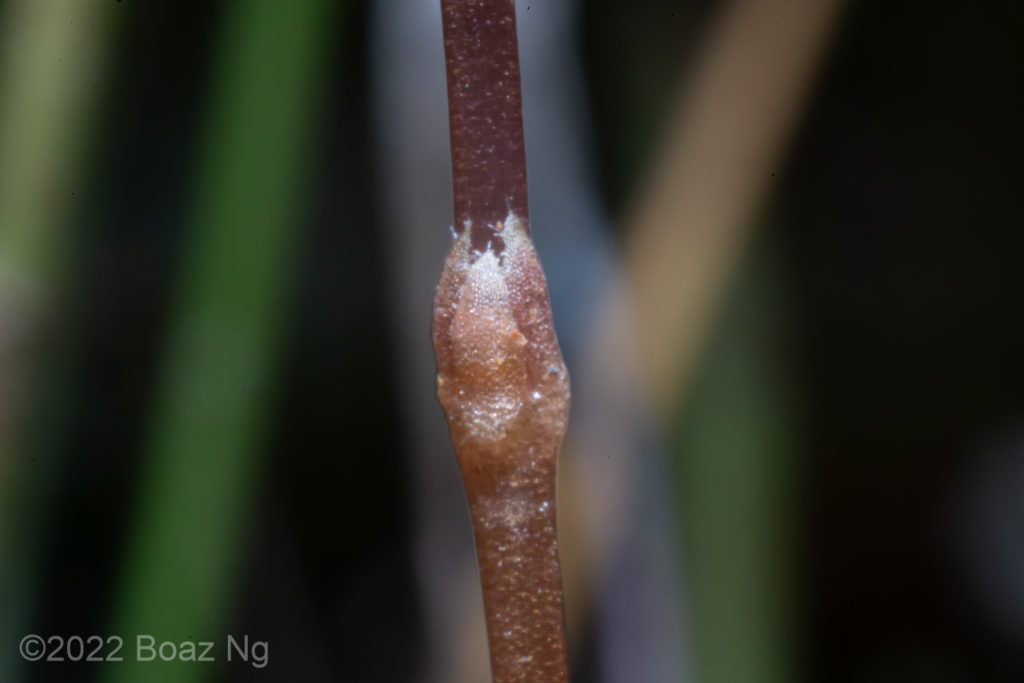
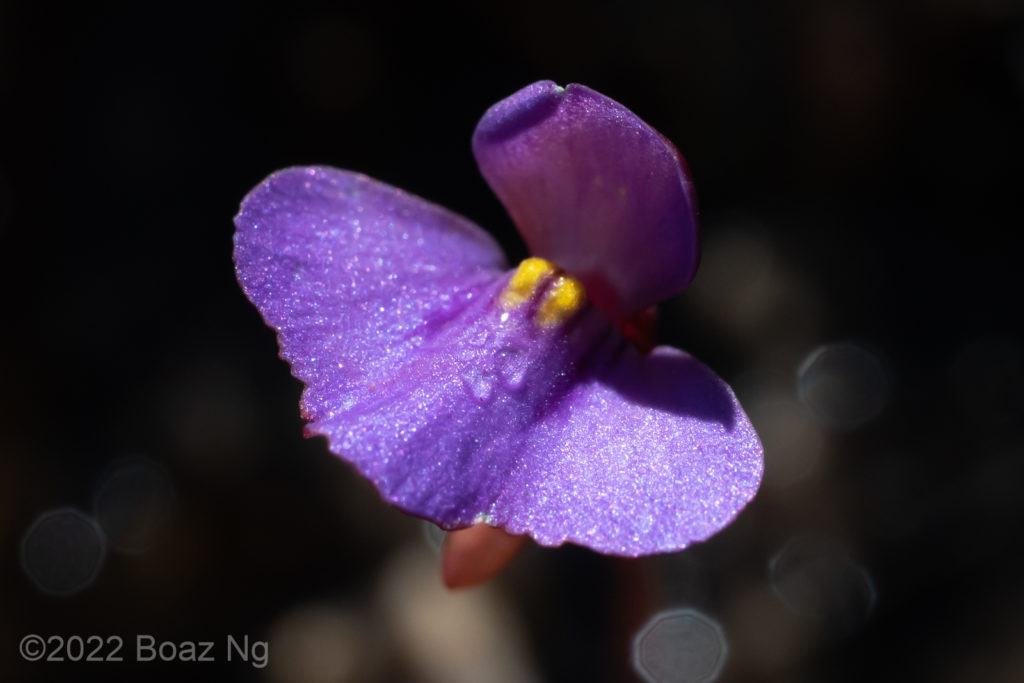
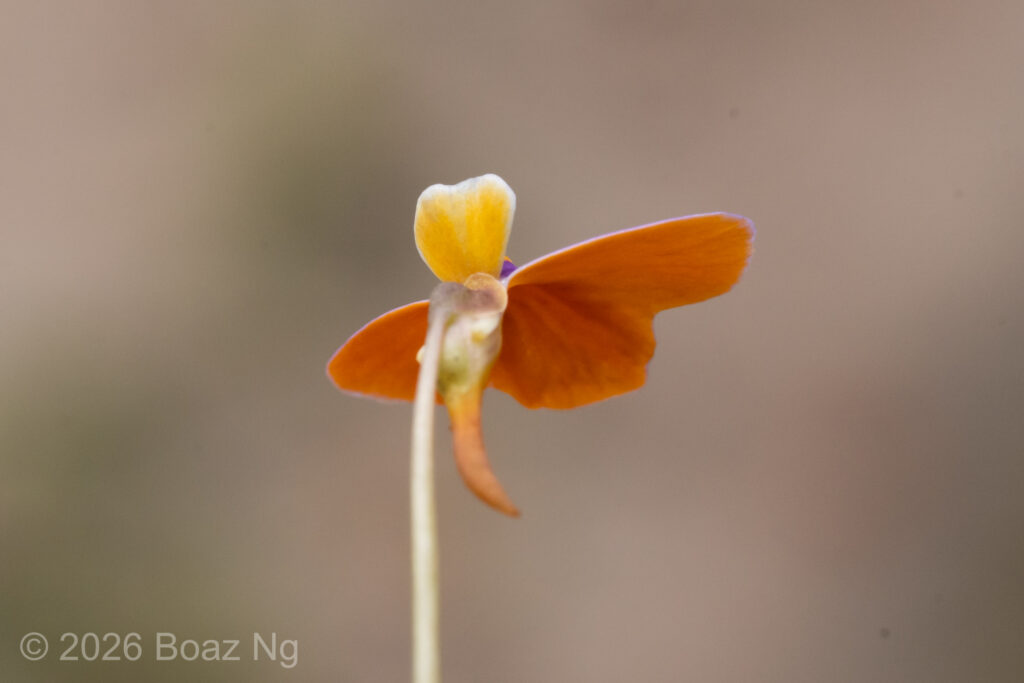
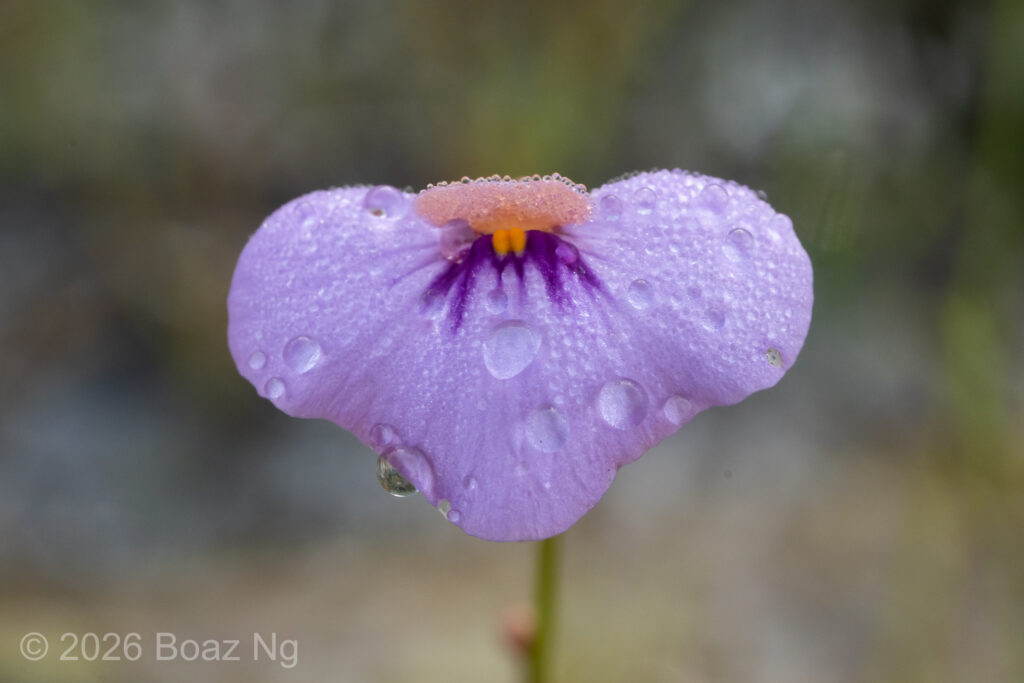
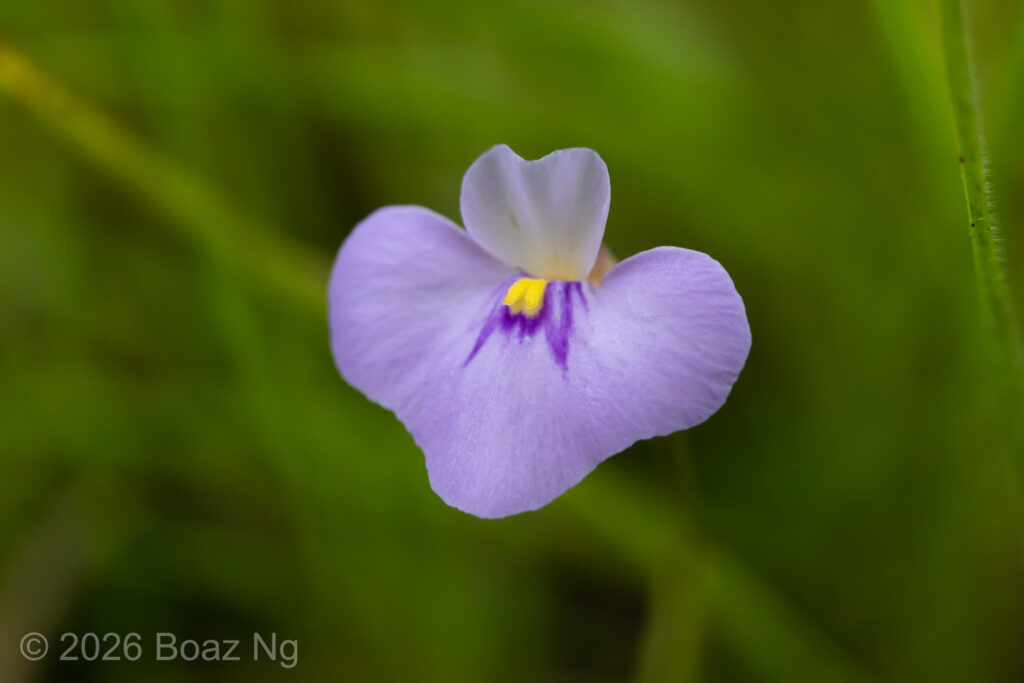
Utricularia brennanii is a small-sized bladderwort that is coloured pink to purple at the front and orange on the back. The lower corolla lip is variably divided into three shallow to moderately pronounced lobes, which are sometimes upturned at the edge. The palate features two raised orange ridges and is often flanked by darker purple markings. The upper corolla lip is raised upwards, narrower at the base, about half the width of the lower corolla lip and usually has an undivided margin. The spur is long, pointed and slightly constricted towards the middle. The peduncle is hairy towards the base. The traps feature wing-like projections common in the U. lasiocaulis complex. Plants from the east coast tend to have smaller lower corolla lips than those in the Darwin area.
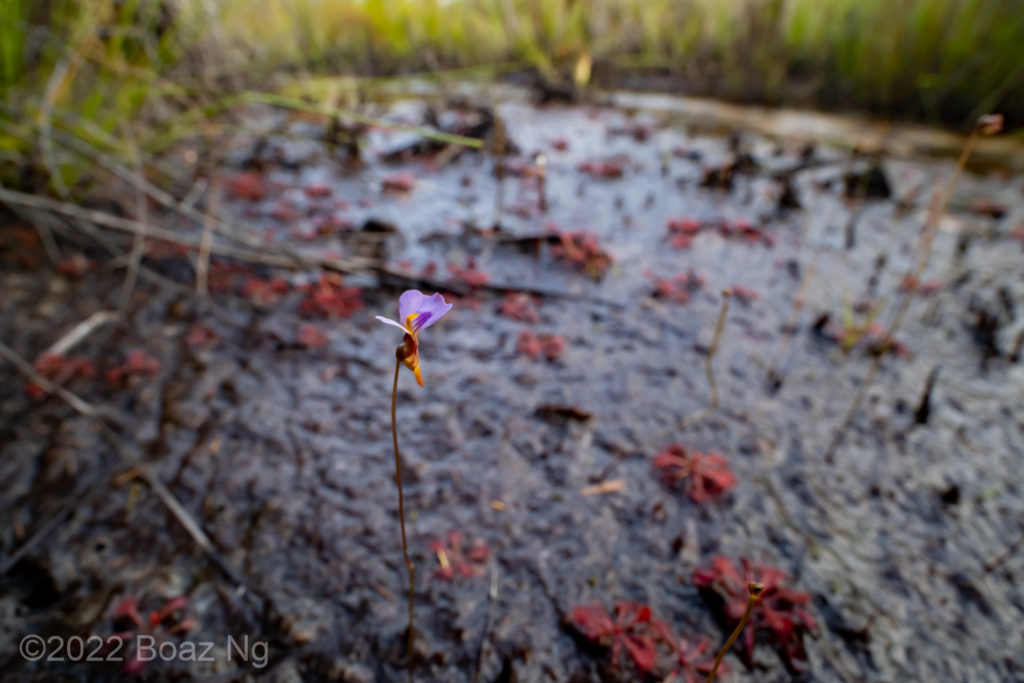
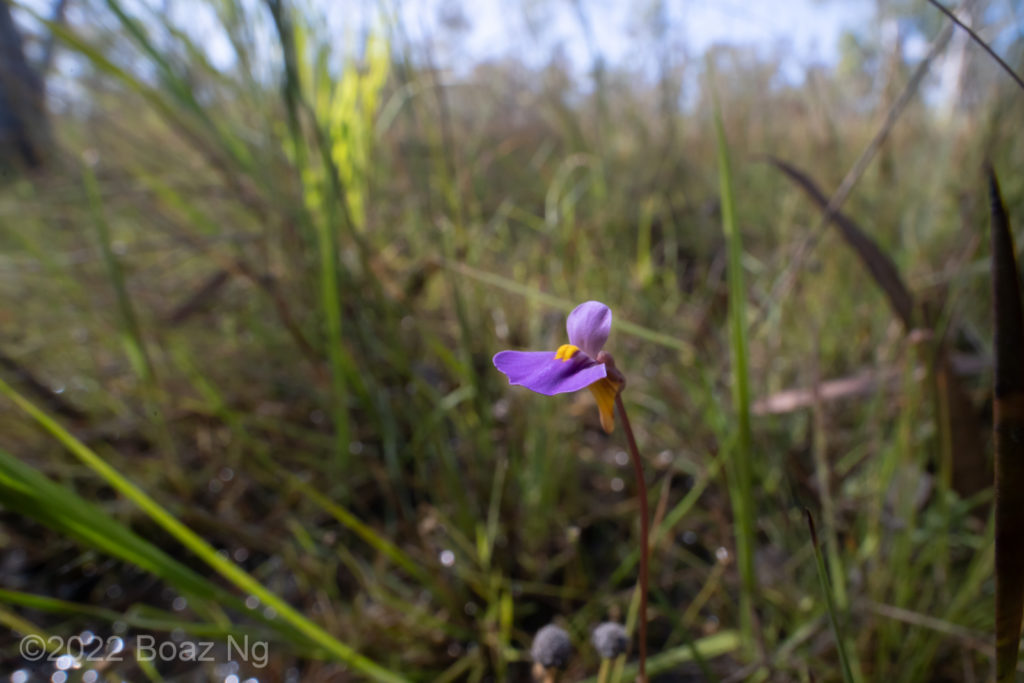
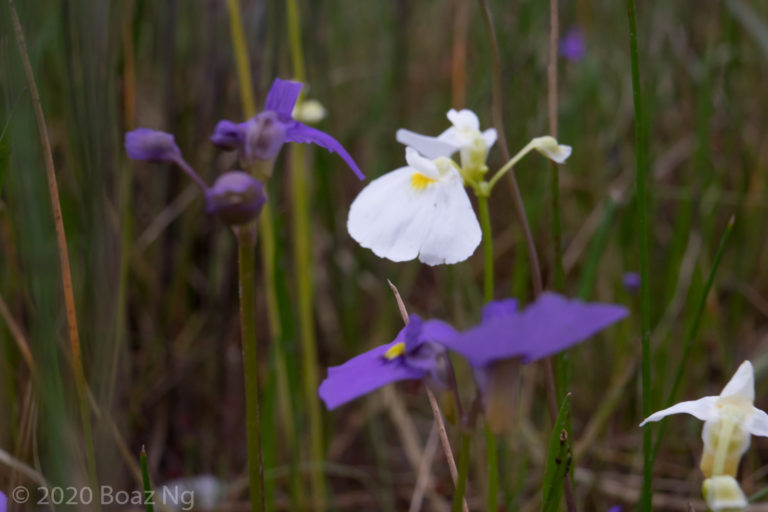
The species has a broad distribution from Torrington in Northern NSW, sporadically appearing in the coastal heathlands of SE to central Queensland and becoming common in the tropical heathlands of Far North Queensland. It is also found in the Northern Territory. Blooming occurs as its environmental waters begin to seasonally recede. I have observed it in seepages emanating from granite outcrops, in a waterlogged grassy meadow in a broad valley, on skeletal soils atop sandstone, in creekside heathland and in the muddy floodplains of swamps. Around Darwin, the species is common in the second half of the wet season, becoming rare with the onset of the dry season.
Utricularia brennanii is most similar to its close relative U. lasiocaulis. In the Northern Territory, U. brennanii is best distinguished by the glabrous mid-upper parts of the flower stalk (U. lasiocaulis has downy hairs in the mid-upper parts of the flower stalk).Plants in the NT tend to have a three-lobed lower corolla lip that is flared and does not curl inwards at the edge (The lower corolla lip of U. lasiocaulis does not have three obvious lobes and curls upwards at the edge). Utricularia brennanii is very similar in shape to the closely related U. disjuncta around Darwin where it can be distinguished by the orange palate ridges and orange backs (U. disjuncta has white palate ridges and white backs). Note that shape of the flower is very variable across its range, so these descriptions do not necessarily apply to the eastern populations.