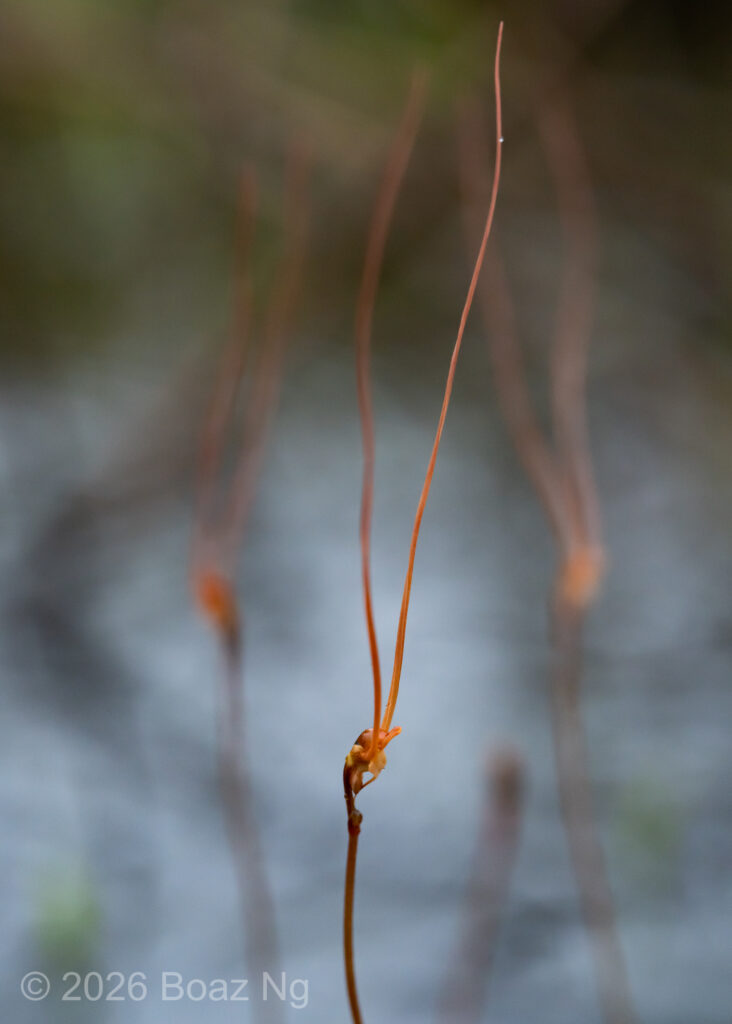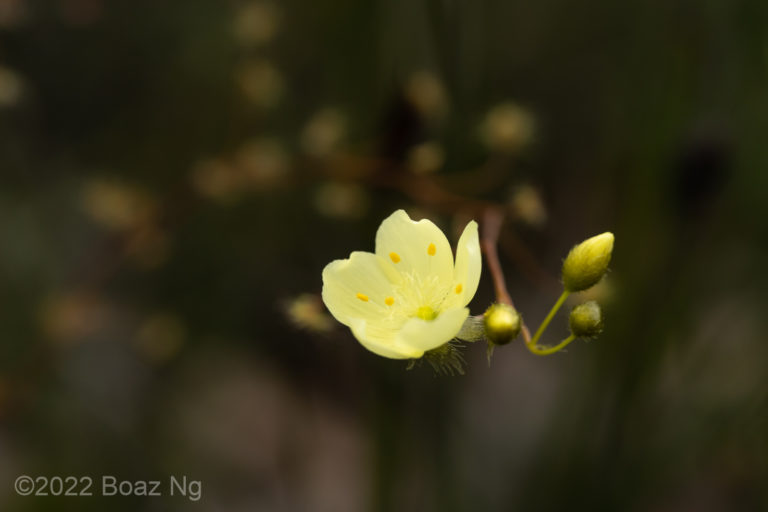
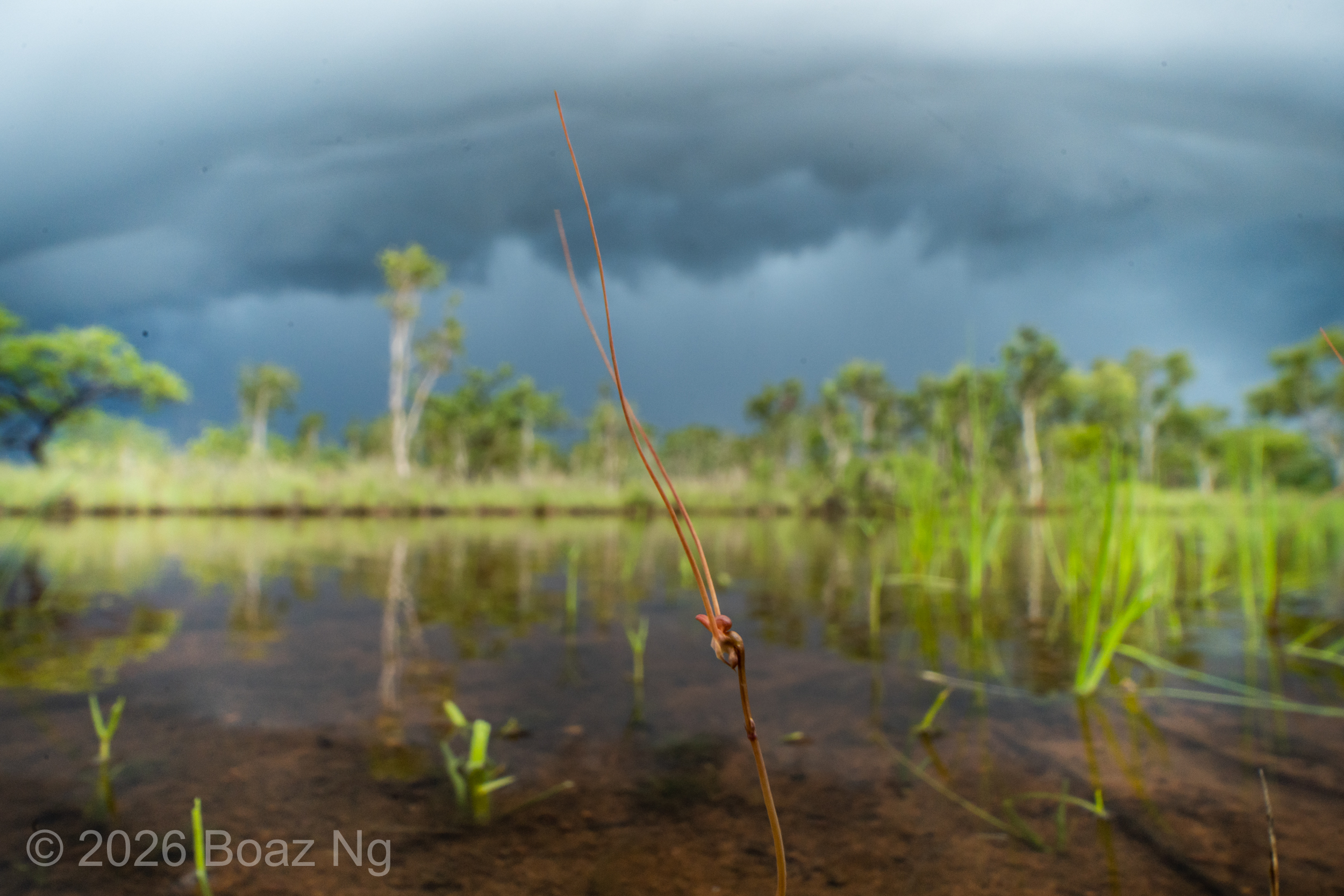
Utricularia albertiana is an antennae-bearing bladderwort endemic to the Northern Kimberley in Western Australia.
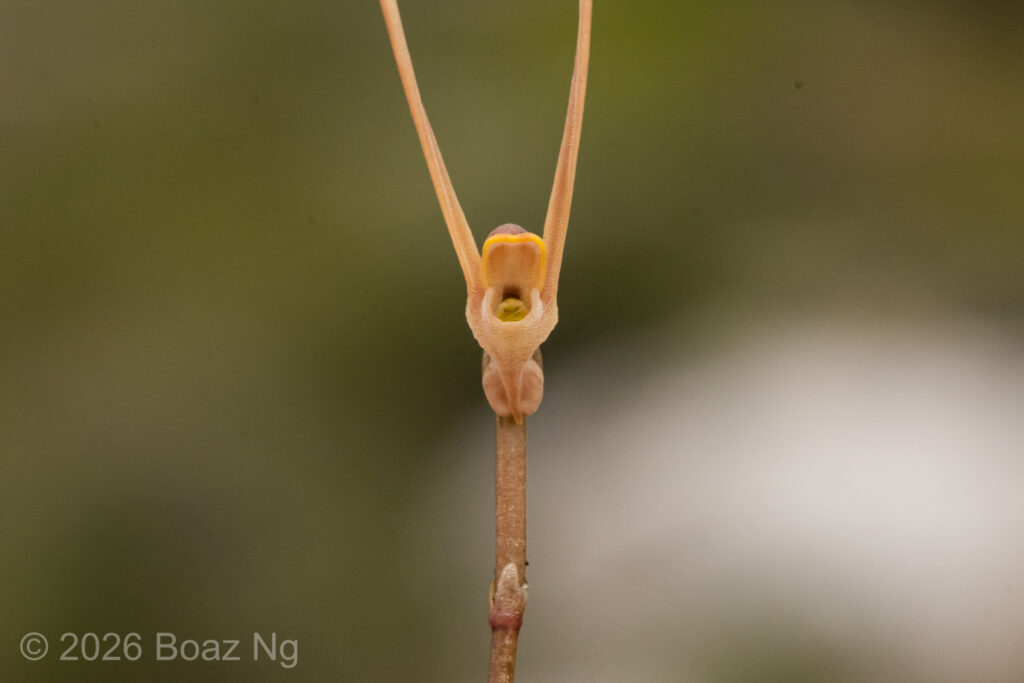
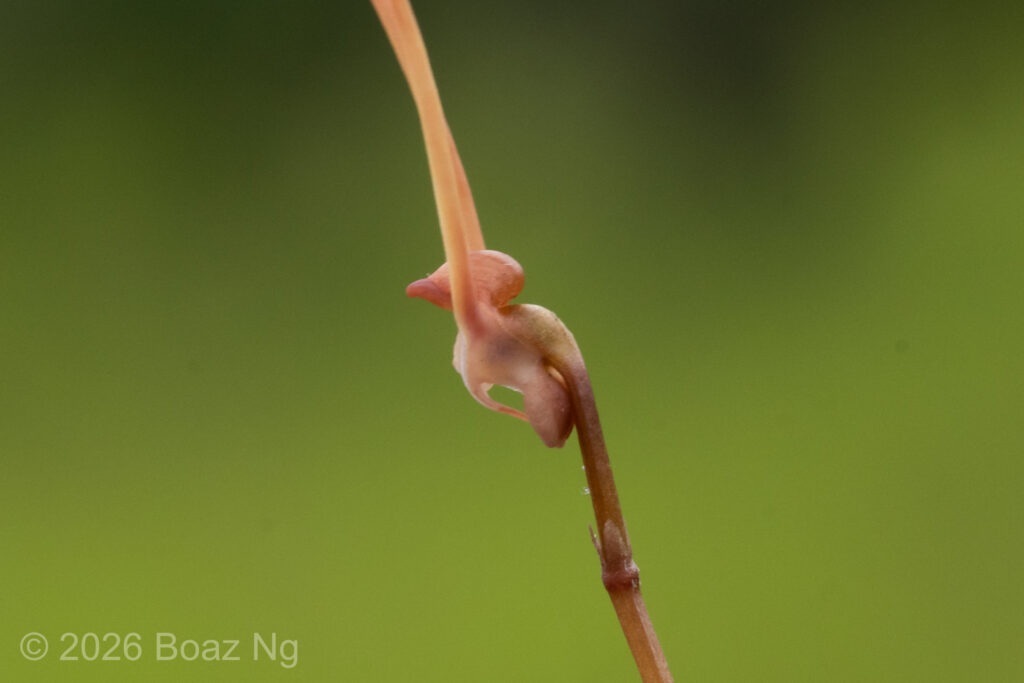
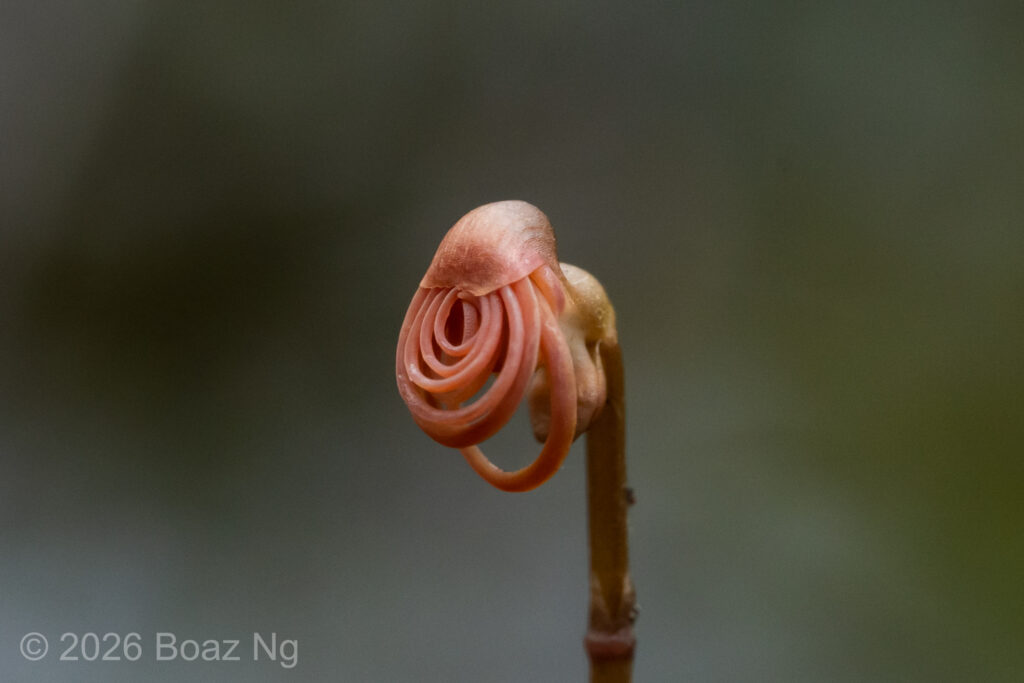
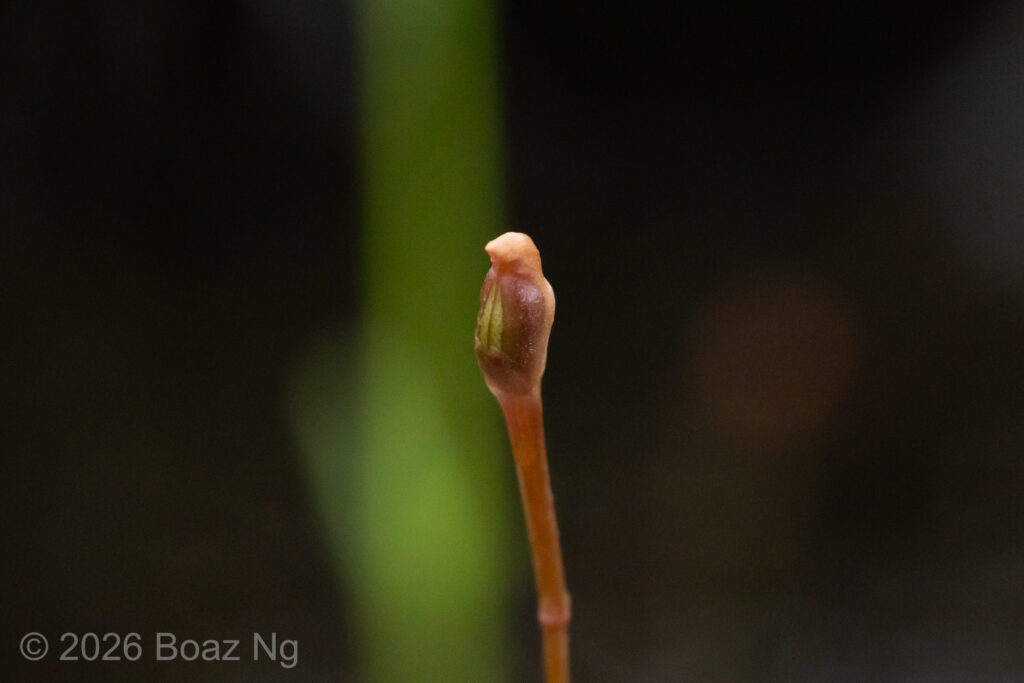
Utricularia albertiana is a medium sized bladderwort, with flowers about 4-5 cm in length. Its antennae are filiform, upwards pointing and are produced from the edge of the lower corolla lip. The lower corolla lip has a single lobe that forms a sharp, downwards-pointing projection. This lobe is usually longer than the length of the spur. The edge of the lower corolla lip is slightly flared outwards. The upper corolla lip is short and hooded. The spur is ‘scrotiform’, expanding at the extremity into an expanded structure that is notched at the tip. The flower scape can reach around 7-15 cm tall, depending on the depth of the water.
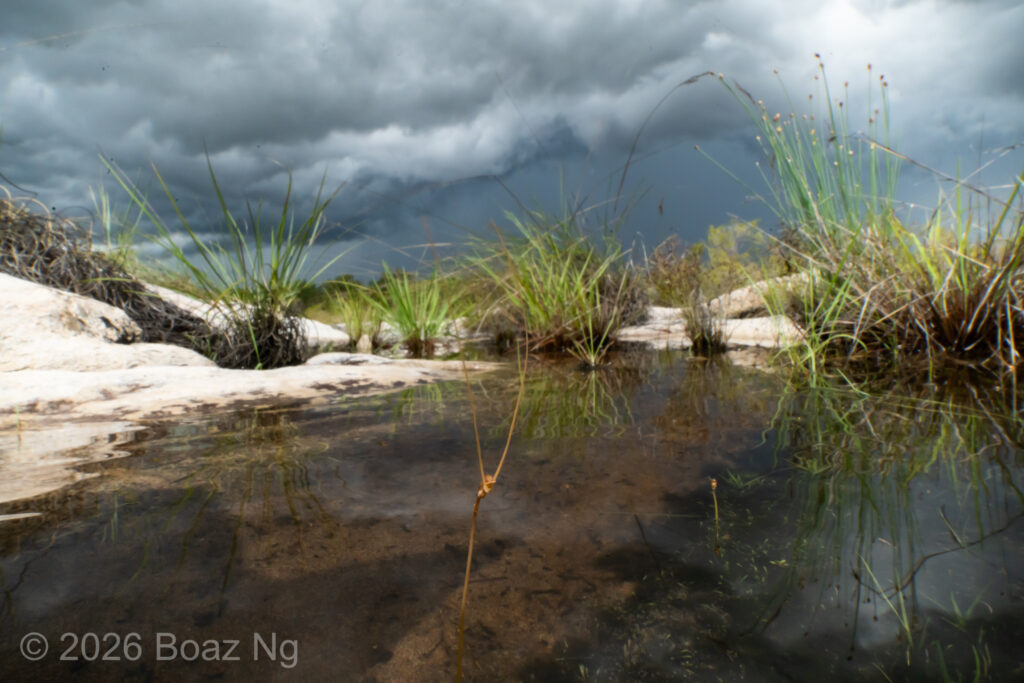
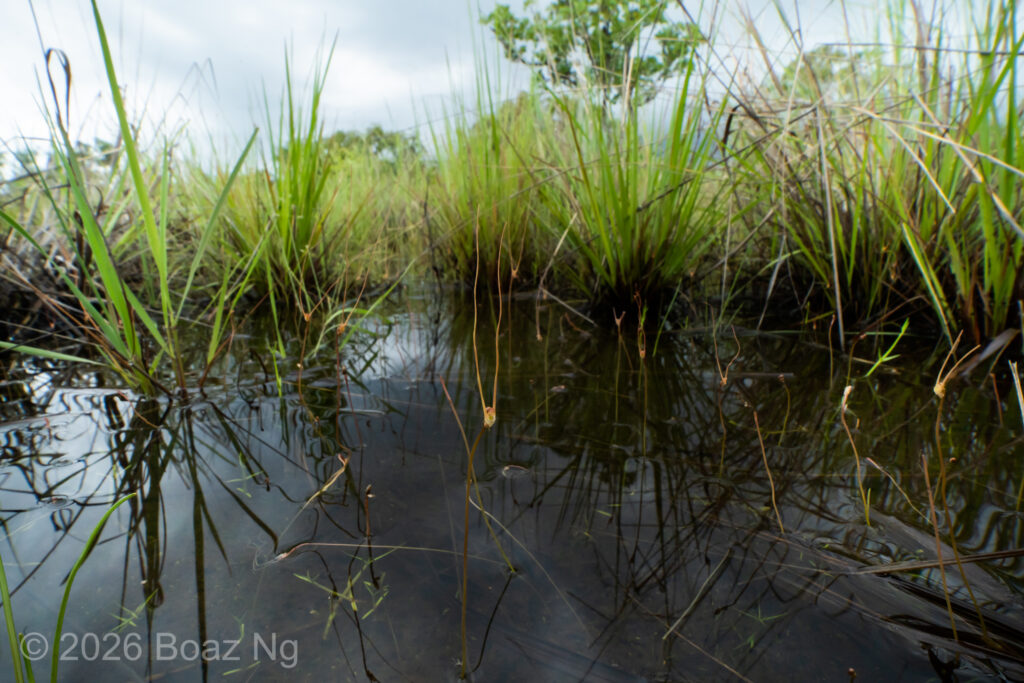
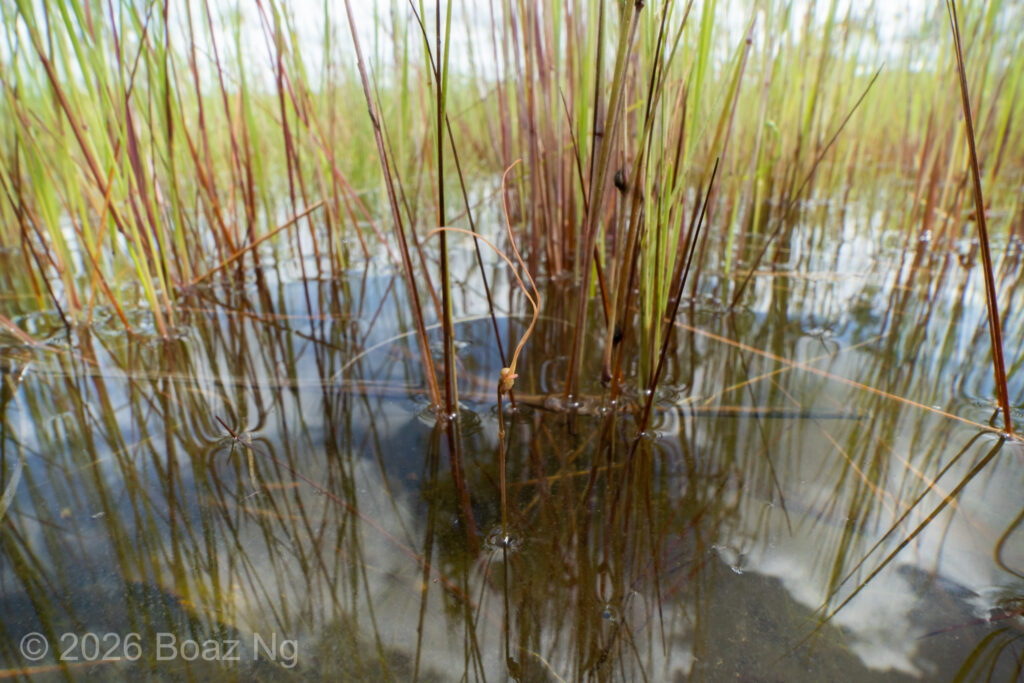
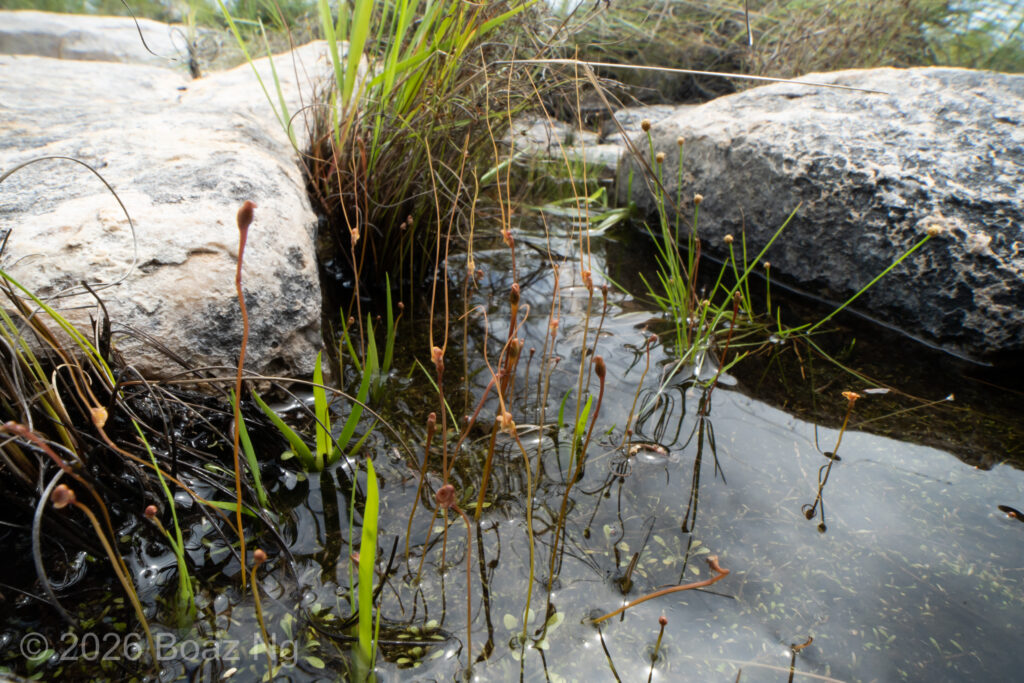
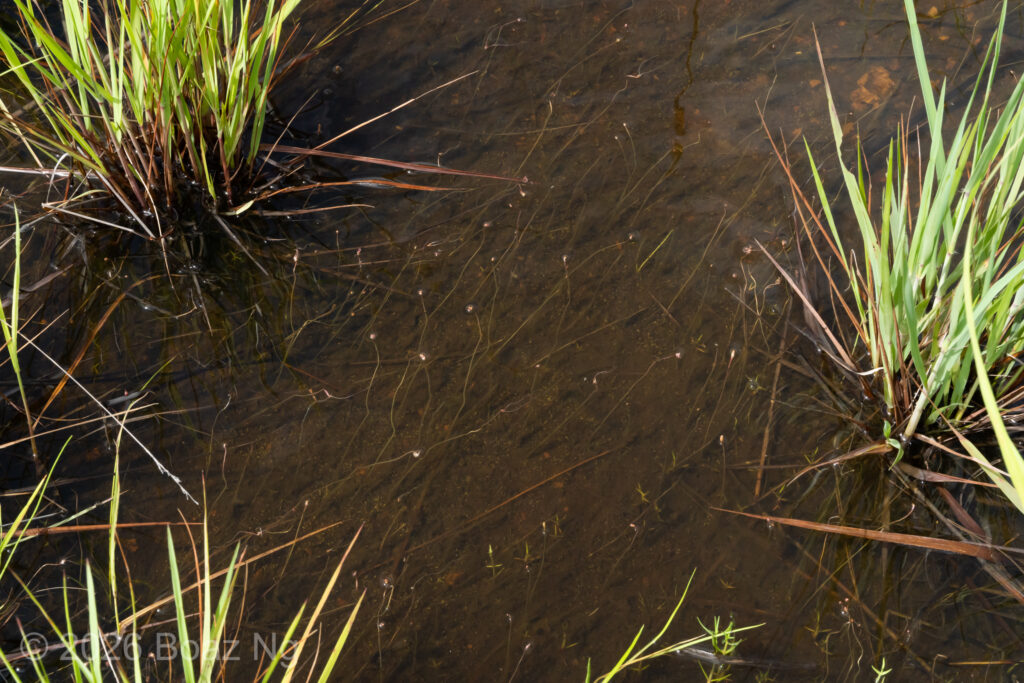
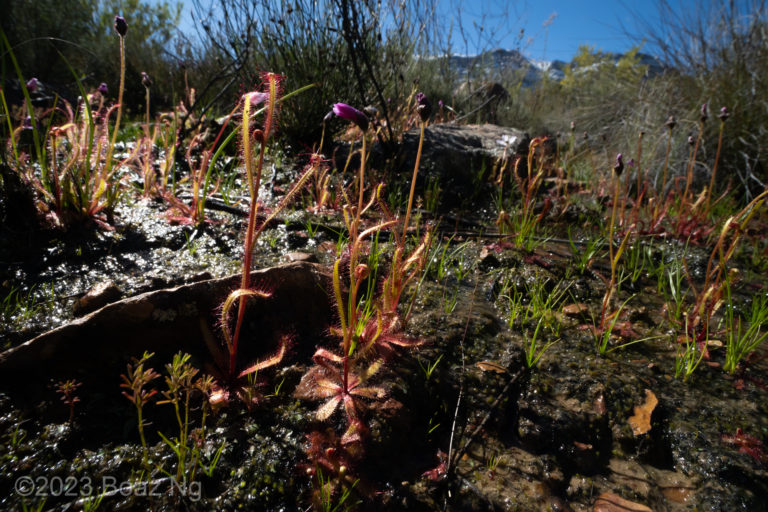
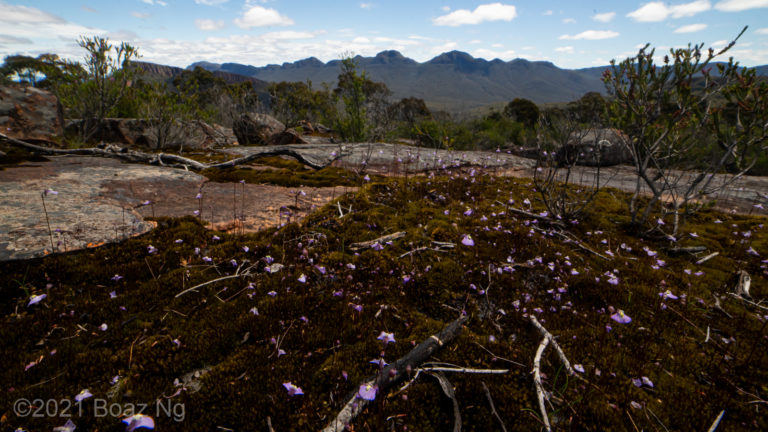
The species is endemic to the Northern Kimberley region and has been collected from the King Edward River, Theda Station and north of Kalumburu. It grows in shallow pools in sandstone pavements, at the edges of small swamps and in flooded herbfields. These pools are usually around 5-10cm deep.
Utricularia albertiana is found alongside two other antennae-bearing bladderworts, U. antennifera and U. dunlopii. Of these three sympatric species, U. albertiana prefers niches with the deepest water, commonly growing under 5-10cm of water. U. antennifera grows in shallow inundunated habitats with around 1cm of water whereas U. dunlopii is usually found growing under thin films of water or in damp sand. Flowering occurs in the later parts of the wet season from February onwards, until its habitat dries out at the start of the dry season.
The antennae-bearing bladderworts can be distinguished by the configuration of the antennae and by the corolla lobes. Utricularia albertiana is distinguished from U. capilliflora and U. dunlopii in the first instance by its antennae which are produced on the lower corolla lip (the antennae of U. capilliflora and U. dunlopii are produced on the upper corolla lip). The single downwards-pointing lower corolla lip lobe distinguishes it from U. lowriei and U. antennifera which both have lower corolla lips with three lobes.
Utricularia albertiana is very similar to U. dunstaniae and was previously considered a Western Australian form of the plant (U. dunstaniae is endemic to the Northern Territory). The plants share the same antennae and lobe configurations. U. albertiana is distinguished by its longer lower corolla lip lobe, which often extends past the spur (the lower corolla lip lobe of U. dunstaniae is shorter and does not extend past the spur). U. albertiana has a more expanded and flared lower corolla lip edge compared to U. dunstaniae. U. albertiana has a larger flower, with scapes often growing 10-15 cm in length (the scapes of U. dunstaniae around usually around 5 or so cm in length.